


Thank you for Subscribing to Electrical Business Review Weekly Brief

CG Schmidt
Josh Schmitz, ASP, CRIS, Safety Director
Designing People-First Safety Cultures that Consistently Deliver
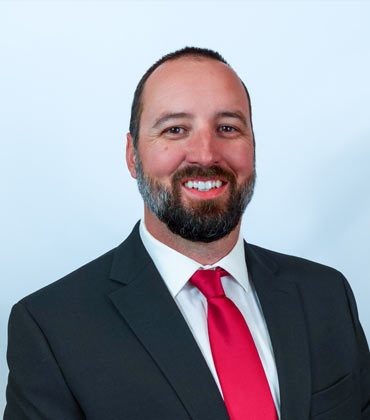
Josh Schmitz
Building a Strong Safety Culture on Construction Sites
I believe one of my greatest strengths as a safety leader is recognizing that safety is not the goal but the outcome. The goal is building competent people, strong leaders, effective systems and well-planned work. When those things exist, safety follows. Early in my career, I thought safety professionals were responsible for fixing safety problems. Over time, I learned that sustainable improvement comes from helping others become capable of solving those problems themselves. Today, I focus on being a force multiplier. Instead of trying to personally influence every person on every project, I work to develop superintendents, foremen, project managers and craft professionals who can carry the message forward. Safety is ultimately a people business. Regulations and policies are important, but culture is built through relationships, trust, communication, and accountability. I strive to be accessible, approachable, and consistent. At the same time, I believe leadership requires setting clear standards and holding people accountable to them. A strong safety culture is not created through fear of OSHA citations or injury statistics. It is created when people understand the purpose behind the expectations, feel empowered to speak up and know their leaders genuinely care about their well-being. When safety becomes part of how work is planned and executed, we see better outcomes in safety, quality and productivity. Ensuring Consistent Safety Practices across Projects One of the biggest challenges in construction is variability. Every project is different, with different clients, crews, schedules and risks. Maintaining consistency across sixty projects requires more than policies and procedures. The challenge is often not a lack of information. Most companies already have extensive safety programs. The challenge is translating expectations into consistent execution in the field. I have found that three factors drive most safety issues—lack of knowledge, poor planning and lack of accountability. To address these challenges, we focus heavily on leadership development, training, and planning. We establish clear standards that define what good looks like, but we also provide flexibility in how teams achieve those standards. One phrase I frequently use is, "Firm on standards. Flexible on solutions." Technology is also helping us improve consistency. We are building systems that collect information from inspections, training, event learning reports and field observations. Rather than simply gathering data, we use it to identify trends, anticipate future challenges and focus our resources where they will have the greatest impact. Consistency is not achieved through more inspections. It is achieved through better leadership, better planning and better information. Engaging Teams and Promoting Accountability for Workplace Safety Engagement starts with treating people like professionals rather than simply telling them what to do. One mistake many organizations make is assuming accountability begins after something goes wrong. In reality, accountability starts with establishing clear expectations, providing proper resources, ensuring people understand the task and creating an environment where questions are encouraged. I believe in using conversation rather than lectures whenever possible. Whether it is a toolbox talk, pre-task plan or project meeting, I want people thinking, participating and contributing. People are more likely to take ownership of decisions they helped create.When safety becomes part of how work is planned and executed, we see better outcomes in safety, quality and productivity.
The articles from these contributors are based on their personal expertise and viewpoints, and do not necessarily reflect the opinions of their employers or affiliated organizations.
